
Cleanroom HVAC Standards for Pharma Plants | Precision Climate Control
For the pharmaceutical sector in Uttar Pradesh, cleanroom standards are mandatory for FDA and WHO compliance. Maintaining a sterile environment requires an HVAC system that goes far beyond simple cooling. As a specialized AHU Manufacturer in Uttar Pradesh, our team recently designed a Class 10,000 cleanroom for a leading pharmaceutical lab, ensuring zero contamination through surgical-grade air filtration.
What defines a Pharma Cleanroom?
A pharma cleanroom is categorized based on the number of particles per cubic meter of air. Standards like ISO 14644 determine the classification. With over 8 years of industrial experience, Aaron Air Care Engineering ensures that every project meets these precise ISO certifications through rigorous testing and commissioning.
The Components of a Sterile HVAC System
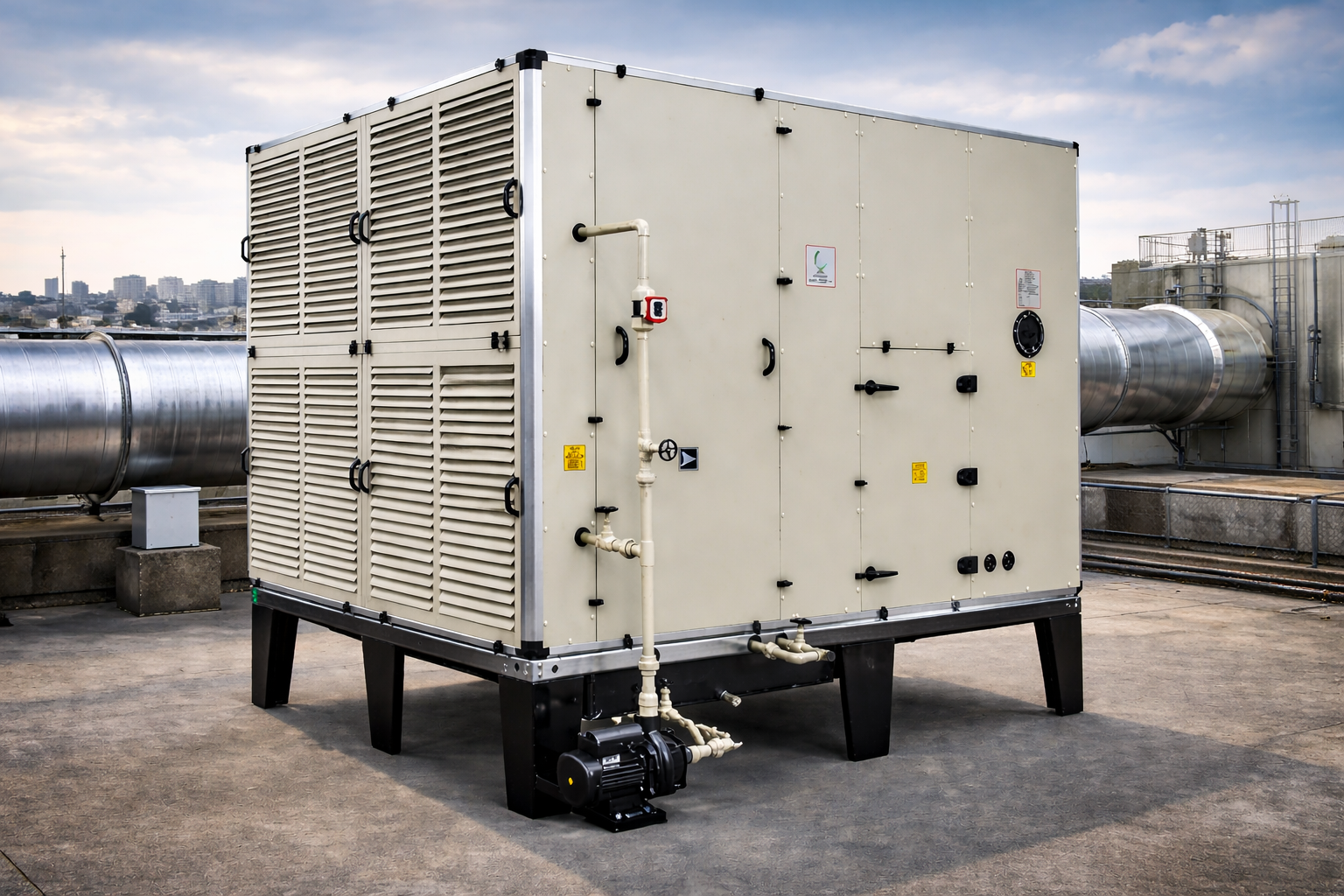
1. Double-Skin Modular AHUs: Essential to prevent any external contamination. As an Industrial HVAC Contractor in Moradabad, we manufacture AHUs specifically designed for pharma-grade hygiene. Learn more in our AHU Engineering Guide.
2. HEPA Filtration (H13/H14): These filters capture 99.97% of particles. We recently upgraded a sterile zone for a pharma unit using terminal HEPA modules for maximum safety.
3. Pressure Differentials: Managed through our Advanced Ventilation Systems to prevent cross-contamination.
Building a New Cleanroom?
Our engineers can help you design a system that meets all ISO and WHO standards for pharmaceutical manufacturing.
Discuss Pharma ProjectFrequently Asked Questions
What ISO standards are required for pharma cleanrooms?
Pharma cleanrooms typically follow ISO 14644 standards, with Class 5 to Class 8 being the most common depending on the production stage.
How does Aaron Air Care ensure cleanroom compliance?
We provide end-to-end certification support, using modular double-skin AHUs and HEPA filtration that meet all WHO and local FDA requirements.
Controlling Humidity and Temperature
Many pharmaceutical compounds are highly sensitive to moisture. Precise humidity control (often below 40% RH) is required to ensure product stability. Our turnkey solutions integrate dehumidifiers and precision cooling units with the central HVAC to provide a stable environment regardless of the outside weather in Uttar Pradesh.
Conclusion: Pharmaceutical HVAC is a specialized field that requires deep engineering expertise. At Aaron Air Care Engineering, we pride ourselves on delivering systems that pass every audit and ensure the highest standards of safety and quality for your pharmaceutical facility.
Related Reading: AHU vs HVAC Differences | Back to Home